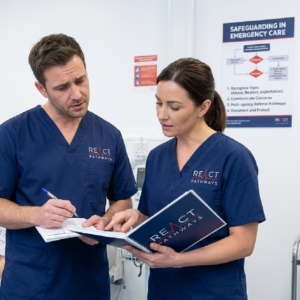
This module is essential for frontline learners and professionals across urgent, emergency, acute, or community care settings, including:
 Medical & Nursing Students: Those studying adult, children, or mental health nursing, and medicine who need to understand core professional and protective responsibilities.Qualified Nurses & Junior Doctors: Practitioners in emergency departments, urgent treatment centres, minor injury units, and acute wards handling assessment and discharge planning.Pre-Hospital Clinicians: Paramedics and emergency care practitioners attending patients in high-risk home or public environments.Support Staff & Mental Health Professionals: Healthcare assistants needing to recognise warning signs, and mental health teams managing crisis assessments or domestic abuse risks.Clinical Leaders: Safeguarding leads and team leaders developing safer escalation processes.Flexible E-Learning: Self-paced remote learning with interactive cases and guided explanations.Face-to-Face Teaching: Classroom-based workshops with facilitated discussion, case application, and clinician-led teaching.
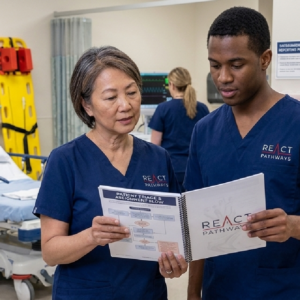 Multi-Age Indicator Matrix: Master the specific physical and behavioural warning signs of child neglect, sexual exploitation, domestic abuse, coercive control, and modern slavery.Legal & Ethical Frameworks: Navigate complex concepts of consent, mental capacity, confidentiality, and information sharing under high-pressure conditions.Multi-Agency Referral Roadmap: Clear guidance on how to interface seamlessly with safeguarding leads, social care, the police, and specialist external networks.
By the end of this module, you will be able to:
Identify hidden safeguarding risks and indicators of abuse or neglect in both adult and paediatric populations.Execute immediate risk assessments while maintaining meticulous clinical documentation and professional curiosity.Escalate concerns swiftly and safely through designated local referral pathways and multi-agency networks.