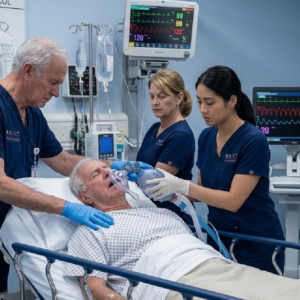
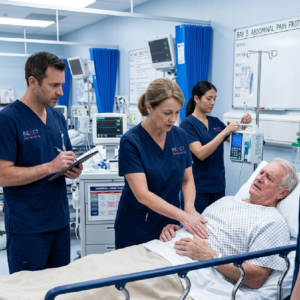
This course is engineered specifically for healthcare learners and frontline professionals working in high-pressure acute assessment settings.
 Medical Students & Foundation Trainees: Build diagnostic confidence ahead of acute medicine, general surgery, and emergency department rotations.Nurses & Advanced Clinical Practitioners (ACPs): Master the structured history-taking and physical assessment required during frontline triage and acute intake.Emergency Medicine & Surgical Clinicians: Refine your diagnostic frameworks, speed up your investigation pathways, and optimise your surgical referral criteria.Urgent Care & Walk-In Centre Staff: Strengthen your ability to safely identify and urgently redirect patients presenting with a suspected acute abdomen.
To accommodate busy clinical schedules, this training is delivered in two highly flexible formats:
Flexible E-Learning: Self-paced remote learning featuring interactive digital cases, guided expert explanations, and step-by-step diagnostic pathways.Face-to-Face Teaching: Dynamic, classroom-based workshops featuring facilitated group discussions, real-world clinical case applications, and clinician-led teaching.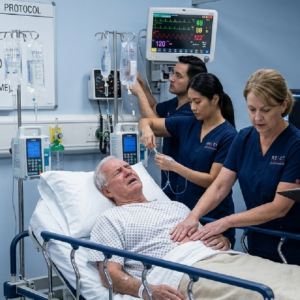 Multi-System Diagnostic Matrix: Learn to differentiate between gastrointestinal, hepatobiliary, vascular, urological, gynaecological, and systemic causes of pain.Red-Flag Identification System: Master the immediate physical markers of surgical disaster, including guarding, rigidity, and haemodynamic instability.Advanced Investigation Training: Learn to rapidly interpret blood panels, emergency urinalysis, bedside ECGs, focused ultrasounds, and urgent CT scans.Escalation & Resuscitation Pathways: Clear, structured protocols for initial analgesia, aggressive fluid resuscitation, sepsis management, and urgent surgical referrals.
By the conclusion of this course, participants will be able to:
Map Abdominal Anatomy & Pain Patterns: Leverage an understanding of localised, visceral, and referred pain to instantly narrow down your differential diagnoses.Conduct High-Yield History & Exams: Perform structured history-taking and deep abdominal examinations focused on identifying guarding, rigidity, and vital sign anomalies.Target and Interpret Emergency Investigations: Choose the right diagnostic tools—from bedside biomarkers to emergency CT imaging—and accurately interpret results under pressure.Spot and Contain Life-Threatening Crises: Rapidly identify and initiate critical management for appendicitis, pancreatitis, bowel obstructions, perforations, and abdominal aortic aneurysms (AAA).Coordinate Safe Multidisciplinary Care: Execute clear, effective surgical referrals and utilise escalation pathways to protect patient safety during transitions of care.