A vital skill-building masterclass for frontline staff, risk managers, and clinical leaders across all healthcare tiers:
 Qualified Nurses, Doctors, Allied Health Professionals (AHPs), and PharmacistsWard Managers, Team Leaders, Matrons, and Clinical Service LeadsHealthcare Students and Trainees learning clinical documentation standardsHealthcare Assistants and Support Workers witnessing incidents requiring escalationGovernance, Risk, Patient Safety, and Quality Improvement Teams reviewing incident trendsFlexible E-Learning: Self-paced, remote digital learning featuring interactive clinical cases and step-by-step guided explanations.Face-to-Face Teaching: Dynamic, classroom-based workshops packed with facilitated peer discussions, practical case applications, and expert clinician-led teaching.
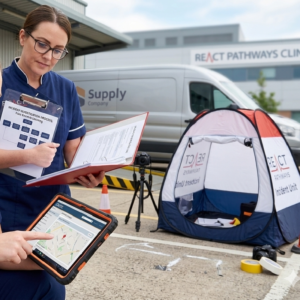 The Datix Precision Formula: A reliable framework to write objective, professional, and factual reports quickly.Human Factors Analysis: Understand the underlying systemic triggers (staffing, environment, equipment) behind errors.Investigative Mindset Toolkit: Strategies to map timelines, review clinical records, and capture witness accounts objectively.Actionable Output Design: Learn how to turn raw incident reports into clear safety audits and institutional action plans.
By the end of this module, you will be able to:
Gather, verify, and document precise clinical data following a near-miss or adverse safety incident.Write clear, objective, and professionally structured Datix reports that exclude blame, emotion, or speculation.Differentiate clearly between objective facts and clinical opinions when reviewing an incident.Analyse complex human factors, uncovering hidden gaps in communication, environment, staffing, or equipment.Drive meaningful organisational learning, contributing effectively to serious incident reviews and action plans.