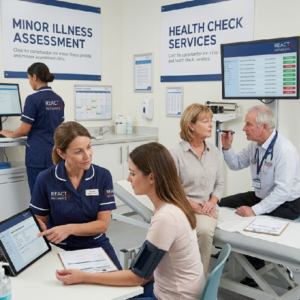
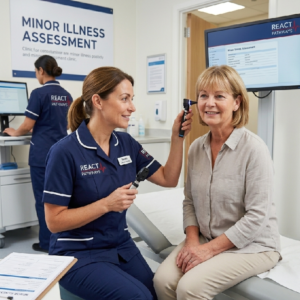
Perfect for clinicians operating in high-volume, same-day assessment environments:
 Advanced Clinical Practitioners (ACPs) and ACP traineesMedical Students and Junior DoctorsPrimary Care, Urgent Care, and Community Nurses / AHPsEmergency Medicine and Acute Care Clinicians managing minor illness streamsClinicians seeking to boost their diagnostic confidence and prescribing rationaleFlexible E-Learning: Self-paced remote learning featuring interactive diagnostic algorithms, prescribing quizzes, and case breakdowns.Face-to-Face Teaching: Interactive classroom workshops utilising group-facilitated discussions, simulated patient consultations, and clinician-led teaching.
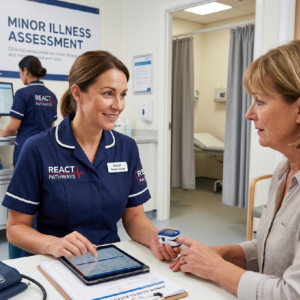 Multi-System Presentation Toolkit: Focused diagnostic strategies covering the most frequent acute complaints across five major physiological systems.Early Deterioration Detection: Protocols to spot clinical red flags and signs of acute decline that mandate urgent specialist referral or immediate hospital escalation.Evidence-Based Prescribing Frameworks: Practical application of localised guidelines to balance effective treatment with strict antibiotic stewardship.Expectation Management & Consultation Skills: Communication tools designed to handle prescription-seeking behaviour and provide robust, legally defensive safety-netting advice.Assess Common Presentations: Master targeted history-taking and focused examinations for respiratory, urinary, skin, gastrointestinal, and ear, nose, and throat (ENT) conditions.Interpret Vital Signs Accurately: Use physiological data and risk stratification to confidently differentiate minor issues from systemic illness.Uphold Antimicrobial Stewardship: Apply evidence-based guidelines to prescribe safely and effectively while combatting antibiotic resistance.Master Patient Communication: Confidently guide patients toward self-care, manage high expectations for prescriptions, and deliver pristine safety-netting.