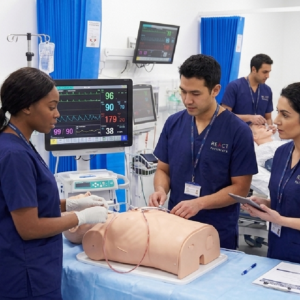

Highly recommended for emergency and urgent care clinicians involved in the delivery or monitoring of procedural sedation:
 Emergency Medicine Clinicians and Advanced Practitioners performing urgent proceduresQualified Nurses in Emergency Departments, Urgent Treatment Centres, Minor Injury Units, and Resuscitation areasMedical Students and Junior Doctors learning sedation criteria, risk parameters, and monitoringOperating Department Practitioners (ODPs) and Anaesthetic Staff supporting emergency pathwaysHealthcare Assistants and Support Workers assisting with pre-procedure checks and recovery observationsClinical Educators and Governance Leads audits, safety metrics, and local sedation guidelines
 The Pre-Sedation Gatekeeper: Comprehensive screening tools evaluating fasting status, airway anatomy, and cardiorespiratory reserves.Advanced Monitoring Mechanics: Mastery of capnography, pulse oximetry, and continuous hemodynamics to catch hypoxia before it shows.The Sedation Team Architecture: Clear definition of independent operator and monitoring practitioner roles to guarantee undivided attention.Crisis Intervention Protocols: Step-by-step safety actions for managing airway obstruction, hypoventilation, and the swift use of reversal agents.